Marriage isn’t just about two people who fall in love and choose to spend the rest of their lives together. It is also a contract. And while that contract might not be forever binding, marriage does come with certain financial and familial obligations regardless of whether the couple stays married or not.
That is why it is critical for couples to discuss their finances and goals early in the game. In fact, the best time to begin this conversation is actually before they begin making wedding plans. That’s because weddings can be very expensive. If the couple bears this expense, they will remove funds from their future plans and opportunities, which they should consider carefully before designing a wedding budget.
However, many times the parents of a couple will pay for the wedding. In this scenario, the newlyweds should consider how the cost of an expensive wedding would impact the paying party’s long-term financial situation. This is important because bankrupt parents could lead to a potential live-in caregiving situation once they are too old to take care of themselves. That’s quite a trade-off for a $100,000 wedding.
Takeaway: Regardless of who pays for the wedding, moderation is perhaps both prudent and considerate.
Partners also should share information about their earnings, assets, debts, and credit reports before getting married. They should discuss their career goals, preferences for children, type of housing, living location(s), and any big-ticket dreams, such as an expensive vacation or starting their own business. Together, the couple should consider each other’s goals and develop a plan to achieve those goals given their combined financial situation.
Takeaway: Note that while each spouse retains their own credit score and liability for debts prior to the marriage, joint debts acquired during the marriage are recorded on both credit reports.
Once married, couples often assume respective responsibilities, such as household earner and bill payer, while the other is a homemaker and primary child caregiver. From a financial perspective, this is not wise. It’s better for the marriage when each spouse takes turns managing finances, including paying bills, learning about investing and working with a financial advisor if they have one, being on all the joint accounts (home deed, insurance policies, etc.) and even each having their own retirement account (e.g., IRA, employer-sponsored retirement plan).
Takeaway: A collaborative approach to finances enables transparency so each spouse is aware of the other’s spending habits and bill-paying discipline.
The relationship tends to have more balance if each spouse has their own money, even if they do not work outside the home. If both spouses work, they could each have a checking account for their own personal expenses as well as a joint account used to pay for communal expenses like rent/mortgage, utilities, food, and upkeep.
Takeaway: A higher-earning spouse may contribute to a lower/no-earning spouse’s Roth IRA so that person has income to manage as they see fit.
Shared finances among married couples do offer certain benefits, such as lower costs for housing, health, long-term care, and auto insurance premiums. With particular regard to health insurance, consider if one spouse should join the other’s plan and how that might impact premiums, deductibles, and out-of-pocket expenses.
Takeaway: Find out if either spouses’ employer offers an incentive for declining coverage. This bonus income provides a good reason to join the other spouse’s plan.
Couples also have the option to compare the advantages of filing joint or separate tax returns, which may be impacted by one partner’s medical expenses or student loan debt. Also, be aware that no matter what time of year you have your wedding, as long as you are married as of Dec. 31, the IRS considers you married for the whole year for tax-filing purposes.
Takeaway: If one spouse is on an income-based student loan debt repayment plan, be aware that filing jointly with two incomes may result in higher payments than if they file separately.
Right after the wedding, there are several actions most couples should take. For example, report any name changes to the Social Security Administration; update any address changes with the Postal Service, employers, and the IRS; and supply your employers with a new W-4 withholding form.
Takeaway: If you’re taking an extended honeymoon, you might want to complete some of these tasks before your wedding day.
Financial Implications of Marriage
May 1, 2025 · Blog, Financial Planning, Uncategorized
⏱ 4 min read
Marriage isn’t just about two people who fall in love and choose to spend the rest of their lives together. It is also a contract. And while that contract might not be forever binding, marriage does come with certain financial and familial obligations regardless of whether the couple stays married or not.
That is why it is critical for couples to discuss their finances and goals early in the game. In fact, the best time to begin this conversation is actually before they begin making wedding plans. That’s because weddings can be very expensive. If the couple bears this expense, they will remove funds from their future plans and opportunities, which they should consider carefully before designing a wedding budget.
However, many times the parents of a couple will pay for the wedding. In this scenario, the newlyweds should consider how the cost of an expensive wedding would impact the paying party’s long-term financial situation. This is important because bankrupt parents could lead to a potential live-in caregiving situation once they are too old to take care of themselves. That’s quite a trade-off for a $100,000 wedding.
Takeaway: Regardless of who pays for the wedding, moderation is perhaps both prudent and considerate.
Partners also should share information about their earnings, assets, debts, and credit reports before getting married. They should discuss their career goals, preferences for children, type of housing, living location(s), and any big-ticket dreams, such as an expensive vacation or starting their own business. Together, the couple should consider each other’s goals and develop a plan to achieve those goals given their combined financial situation.
Takeaway: Note that while each spouse retains their own credit score and liability for debts prior to the marriage, joint debts acquired during the marriage are recorded on both credit reports.
Once married, couples often assume respective responsibilities, such as household earner and bill payer, while the other is a homemaker and primary child caregiver. From a financial perspective, this is not wise. It’s better for the marriage when each spouse takes turns managing finances, including paying bills, learning about investing and working with a financial advisor if they have one, being on all the joint accounts (home deed, insurance policies, etc.) and even each having their own retirement account (e.g., IRA, employer-sponsored retirement plan).
Takeaway: A collaborative approach to finances enables transparency so each spouse is aware of the other’s spending habits and bill-paying discipline.
The relationship tends to have more balance if each spouse has their own money, even if they do not work outside the home. If both spouses work, they could each have a checking account for their own personal expenses as well as a joint account used to pay for communal expenses like rent/mortgage, utilities, food, and upkeep.
Takeaway: A higher-earning spouse may contribute to a lower/no-earning spouse’s Roth IRA so that person has income to manage as they see fit.
Shared finances among married couples do offer certain benefits, such as lower costs for housing, health, long-term care, and auto insurance premiums. With particular regard to health insurance, consider if one spouse should join the other’s plan and how that might impact premiums, deductibles, and out-of-pocket expenses.
Takeaway: Find out if either spouses’ employer offers an incentive for declining coverage. This bonus income provides a good reason to join the other spouse’s plan.
Couples also have the option to compare the advantages of filing joint or separate tax returns, which may be impacted by one partner’s medical expenses or student loan debt. Also, be aware that no matter what time of year you have your wedding, as long as you are married as of Dec. 31, the IRS considers you married for the whole year for tax-filing purposes.
Takeaway: If one spouse is on an income-based student loan debt repayment plan, be aware that filing jointly with two incomes may result in higher payments than if they file separately.
Right after the wedding, there are several actions most couples should take. For example, report any name changes to the Social Security Administration; update any address changes with the Postal Service, employers, and the IRS; and supply your employers with a new W-4 withholding form.
Takeaway: If you’re taking an extended honeymoon, you might want to complete some of these tasks before your wedding day.
Disclaimer
These articles provide general information on tax, accounting, and financial topics for small businesses and individuals. They are educational in nature and are not specific legal, accounting, financial, tax, or other professional advice, and should not be relied upon as such. This content was prepared by Service2Client and may have been reviewed or edited by the website owner for accuracy and compliance. Look for a trust mark below for verification details. No representation is made that any approach described will achieve a particular result, and no regulatory or professional body has reviewed or endorsed this content. Because each situation is different, readers should consult a qualified professional about their specific circumstances before acting. Images accompanying these articles are protected by copyright and may not be copied or reused.
Providing for congressional disapproval under chapter 8 of title 5, United States Code, of the rule submitted by the Department of Energy relating to “Energy Conservation Program: Energy Conservation Standards for Consumer Gas-Fired Instantaneous Water Heaters (HJ Res. 20) – The House and Senate both passed a resolution negating a previous rule mandating that tankless gas-fired water heaters meet certain criteria (less than 2 gallons capacity and greater than 50,000 Btu/hour) for efficiency standards, which would have phased out non-condensing technologies. Introduced by Rep. Gary Palmer (R-AL) on Jan. 15, the resolution is awaiting signature by the president.
A joint resolution disapproving the rule submitted by the Bureau of Consumer Financial Protection relating to “Overdraft Lending: Very Large Financial Institutions” (SJ Res 18) – This joint resolution, introduced by Sen. Tim Scott (R-SC) on Feb. 13, reverses a federal regulation governing overdraft fees charged by large banks. The previous rule limited overdraft fees to one of the following options: $5, cap the fee at an amount that covers costs and losses, or disclose the terms of their overdraft loan to give consumers choices for opening a line of overdraft credit, shopping for comparative loans, and determining a payment plan. The resolution passed in the Senate and the House on April 9 and presently awaits signature by the president.
SAVE Act (HR 22) – Introduced by Rep. Chip Roy (R-TX) on Jan. 3, this legislation passed in the House on April 10 and is currently under consideration in the Senate. This bill would amend the National Voter Registration Act of 1993 to require proof of United States citizenship to register to vote in elections for Federal office. The Safeguard American Voter Eligibility Act mandates that U.S. citizens present proof of citizenship in-person to election officials when registering to vote; making changes to their voter status (i.e., address change, party change); or the state election authority requests proof of citizenship when reviewing the integrity of current rolls. Voters must show both a valid ID and documentation that indicates the applicant was born in the United States, such as a passport or birth certificate. However, should the name on the ID and birth certificate not match, the applicant would also have to present legal documentation verifying the reason, such as a marriage certificate or other legal name change certification.
NORRA of 2025 (HR 1526) – Also referred to as the No Rogue Rulings Act of 2025, this legislation would restrict district court judges from issuing nationwide injunctive relief in cases only applicable to the district court. Cases involving two or more states would be referred to a three-judge panel, which would determine whether to issue a nationwide injunction. This bill was introduced by Rep. Daryll Issa (R-CA) on Feb. 24, passed in the House on April 9, and is under consideration in the Senate..
Clear Communication for Veterans Claims Act (HR 1039) – Introduced on Feb. 6 by Rep. Tom Barrett (R-MI), this bill would direct the Veterans Affairs (VA) to partner with an outside communications agency to make benefits communications more concise and easier for veterans to understand. The bill passed in the House on April 7 and is currently under consideration in the Senate.
Vietnam Veterans Liver Fluke Cancer Study Act (HR 586) – The purpose of this bipartisan bill is to authorize the VA to study and report on the prevalence of cholangiocarcinoma in veterans who served in the areas of conflict during the Vietnam War, including South Vietnam, North Vietnam and surrounding areas like Laos and Cambodia. The study would include identifying the rate of incidence of cholangiocarcinoma from the beginning of the Vietnam era to the date of enactment of this act. The bill was introduced by Rep. Nicolas LaLota (R-NY) on Jan. 21, passed in the House on April 7 and currently lies with the Senate.
Rolling Back Regulations, Proving Citizenship Birth for Voting Rights, and Blocking Nationwide Injunctions
May 1, 2025 · Blog, Congress at Work, Uncategorized
⏱ 4 min read
Providing for congressional disapproval under chapter 8 of title 5, United States Code, of the rule submitted by the Department of Energy relating to “Energy Conservation Program: Energy Conservation Standards for Consumer Gas-Fired Instantaneous Water Heaters (HJ Res. 20) – The House and Senate both passed a resolution negating a previous rule mandating that tankless gas-fired water heaters meet certain criteria (less than 2 gallons capacity and greater than 50,000 Btu/hour) for efficiency standards, which would have phased out non-condensing technologies. Introduced by Rep. Gary Palmer (R-AL) on Jan. 15, the resolution is awaiting signature by the president.
A joint resolution disapproving the rule submitted by the Bureau of Consumer Financial Protection relating to “Overdraft Lending: Very Large Financial Institutions” (SJ Res 18) – This joint resolution, introduced by Sen. Tim Scott (R-SC) on Feb. 13, reverses a federal regulation governing overdraft fees charged by large banks. The previous rule limited overdraft fees to one of the following options: $5, cap the fee at an amount that covers costs and losses, or disclose the terms of their overdraft loan to give consumers choices for opening a line of overdraft credit, shopping for comparative loans, and determining a payment plan. The resolution passed in the Senate and the House on April 9 and presently awaits signature by the president.
SAVE Act (HR 22) – Introduced by Rep. Chip Roy (R-TX) on Jan. 3, this legislation passed in the House on April 10 and is currently under consideration in the Senate. This bill would amend the National Voter Registration Act of 1993 to require proof of United States citizenship to register to vote in elections for Federal office. The Safeguard American Voter Eligibility Act mandates that U.S. citizens present proof of citizenship in-person to election officials when registering to vote; making changes to their voter status (i.e., address change, party change); or the state election authority requests proof of citizenship when reviewing the integrity of current rolls. Voters must show both a valid ID and documentation that indicates the applicant was born in the United States, such as a passport or birth certificate. However, should the name on the ID and birth certificate not match, the applicant would also have to present legal documentation verifying the reason, such as a marriage certificate or other legal name change certification.
NORRA of 2025 (HR 1526) – Also referred to as the No Rogue Rulings Act of 2025, this legislation would restrict district court judges from issuing nationwide injunctive relief in cases only applicable to the district court. Cases involving two or more states would be referred to a three-judge panel, which would determine whether to issue a nationwide injunction. This bill was introduced by Rep. Daryll Issa (R-CA) on Feb. 24, passed in the House on April 9, and is under consideration in the Senate..
Clear Communication for Veterans Claims Act (HR 1039) – Introduced on Feb. 6 by Rep. Tom Barrett (R-MI), this bill would direct the Veterans Affairs (VA) to partner with an outside communications agency to make benefits communications more concise and easier for veterans to understand. The bill passed in the House on April 7 and is currently under consideration in the Senate.
Vietnam Veterans Liver Fluke Cancer Study Act (HR 586) – The purpose of this bipartisan bill is to authorize the VA to study and report on the prevalence of cholangiocarcinoma in veterans who served in the areas of conflict during the Vietnam War, including South Vietnam, North Vietnam and surrounding areas like Laos and Cambodia. The study would include identifying the rate of incidence of cholangiocarcinoma from the beginning of the Vietnam era to the date of enactment of this act. The bill was introduced by Rep. Nicolas LaLota (R-NY) on Jan. 21, passed in the House on April 7 and currently lies with the Senate.
Disclaimer
These articles provide general information on tax, accounting, and financial topics for small businesses and individuals. They are educational in nature and are not specific legal, accounting, financial, tax, or other professional advice, and should not be relied upon as such. This content was prepared by Service2Client and may have been reviewed or edited by the website owner for accuracy and compliance. Look for a trust mark below for verification details. No representation is made that any approach described will achieve a particular result, and no regulatory or professional body has reviewed or endorsed this content. Because each situation is different, readers should consult a qualified professional about their specific circumstances before acting. Images accompanying these articles are protected by copyright and may not be copied or reused.
Bad debt expense is an important concept that businesses must account for when it comes to their financial reporting. Regardless of the timeframe a company accounts for, it helps companies determine what portion of their receivables are collectible and what portion are not – and therefore, a bad debt expense. Depending on the receivables’ amount, this bad debt expense can take the form of either the allowance method or the direct write-off method.
Direct Write-Off Method Explained
While a company can see its receivables increase quickly, collections of these receivables might not be possible in the future due to client defaults. The direct write-off method is recommended for accounts with nominal amounts in question. A company’s receivables account sees an immediate write-off with this method. This lowers a company’s revenue, reducing net income. When it comes to accounting for it properly, the journal entry for the direct write-off method is as follows:
Description
Debit
Credit
Bad Debt Expense
$500
Accounts Receivable – ABC Business
$500
Description: Uncollectible ABC Account
Therefore, the journal entry would debit $500 to the Bad Debt Expense and credit $500 to the Accounts Receivable for the ABC Account.
Allowance Method
When it comes to more substantive or material amounts, businesses are inclined to use the Allowance Method because it’s set up to interact well with contra asset accounts that offset accounts receivable. Reported on the balance sheet, a contra asset account has an opposite balance to accounts receivable, and the journal entry is as follows:
Assets
Cash: $500,000
Accounts receivable: $300,000
Less: Allowance for doubtful accounts: $25,000
Equipment: $200,000
Less Accumulated Depreciation: $5,000
Building: $100,000
Less Accumulated Depreciation: $15,000
Since there’s zero impact on income statement accounts, contra accounts are advantageous for companies to use since the revenues aren’t lowered from a direct loss that bad debt expenses can cause with other methods.
When it comes to the Allowance Method in action, the three components are as follows:
First Step: Assess the uncollectible receivables
This is done by either determining the percentage of sales or by the percentage of receivables.
Percentage of Sales Method
This is usually determined by taking a percentage of either net or total credit sales. It’s generally dictated by past trends (both internal and macro economy forecast). For example, 2 percent of $10,000,000 = $200,000.
Percentage of Receivables
This method works by looking at the aging schedule for receivables, including those that are due but not yet late. For example, the receivables that are not late but not yet paid can have a low percentage for the particular bucket. Each successive and later bucket of unpaid receivables would require a higher percentage estimated as uncollectible.
Second Step: Journal entries are notated by entering the bad debt expense as a debit and the allowance for doubtful accounts as a credit.
Third Step: After an account is considered permanently uncollectible, the last two entries are as follows:
Description
Debit
Credit
Bad Debt Expense
$250
Allowance for Doubtful Accounts
$250
Description
Debit
Credit
Allowance for Doubtful Accounts
$250
Accounts Receivable – ABC Business
$250
Conclusion: The Importance of Calculating Bad Debt Expense
When it comes to determining a company’s results, it is required in their financial statements. If a company does not include this information, their assets could be inflated, potentially leading to overstating their net income. Calculating bad debt expense also helps companies determine which customers have defaulted on past bills, while at the same time highlighting customers that pay on time.
When it comes to accounting for bad debt expense, businesses that are experts at the two methods can effectively navigate the needs of internal and external audiences.
How to Account for Bad Debt Expense
May 1, 2025 · Accounting News, Blog, Uncategorized
⏱ 3 min read
Bad debt expense is an important concept that businesses must account for when it comes to their financial reporting. Regardless of the timeframe a company accounts for, it helps companies determine what portion of their receivables are collectible and what portion are not – and therefore, a bad debt expense. Depending on the receivables’ amount, this bad debt expense can take the form of either the allowance method or the direct write-off method.
Direct Write-Off Method Explained
While a company can see its receivables increase quickly, collections of these receivables might not be possible in the future due to client defaults. The direct write-off method is recommended for accounts with nominal amounts in question. A company’s receivables account sees an immediate write-off with this method. This lowers a company’s revenue, reducing net income. When it comes to accounting for it properly, the journal entry for the direct write-off method is as follows:
Description
Debit
Credit
Bad Debt Expense
$500
Accounts Receivable – ABC Business
$500
Description: Uncollectible ABC Account
Therefore, the journal entry would debit $500 to the Bad Debt Expense and credit $500 to the Accounts Receivable for the ABC Account.
Allowance Method
When it comes to more substantive or material amounts, businesses are inclined to use the Allowance Method because it’s set up to interact well with contra asset accounts that offset accounts receivable. Reported on the balance sheet, a contra asset account has an opposite balance to accounts receivable, and the journal entry is as follows:
Assets
Cash: $500,000
Accounts receivable: $300,000
Less: Allowance for doubtful accounts: $25,000
Equipment: $200,000
Less Accumulated Depreciation: $5,000
Building: $100,000
Less Accumulated Depreciation: $15,000
Since there’s zero impact on income statement accounts, contra accounts are advantageous for companies to use since the revenues aren’t lowered from a direct loss that bad debt expenses can cause with other methods.
When it comes to the Allowance Method in action, the three components are as follows:
First Step: Assess the uncollectible receivables
This is done by either determining the percentage of sales or by the percentage of receivables.
Percentage of Sales Method
This is usually determined by taking a percentage of either net or total credit sales. It’s generally dictated by past trends (both internal and macro economy forecast). For example, 2 percent of $10,000,000 = $200,000.
Percentage of Receivables
This method works by looking at the aging schedule for receivables, including those that are due but not yet late. For example, the receivables that are not late but not yet paid can have a low percentage for the particular bucket. Each successive and later bucket of unpaid receivables would require a higher percentage estimated as uncollectible.
Second Step: Journal entries are notated by entering the bad debt expense as a debit and the allowance for doubtful accounts as a credit.
Third Step: After an account is considered permanently uncollectible, the last two entries are as follows:
Description
Debit
Credit
Bad Debt Expense
$250
Allowance for Doubtful Accounts
$250
Description
Debit
Credit
Allowance for Doubtful Accounts
$250
Accounts Receivable – ABC Business
$250
Conclusion: The Importance of Calculating Bad Debt Expense
When it comes to determining a company’s results, it is required in their financial statements. If a company does not include this information, their assets could be inflated, potentially leading to overstating their net income. Calculating bad debt expense also helps companies determine which customers have defaulted on past bills, while at the same time highlighting customers that pay on time.
When it comes to accounting for bad debt expense, businesses that are experts at the two methods can effectively navigate the needs of internal and external audiences.
Disclaimer
These articles provide general information on tax, accounting, and financial topics for small businesses and individuals. They are educational in nature and are not specific legal, accounting, financial, tax, or other professional advice, and should not be relied upon as such. This content was prepared by Service2Client and may have been reviewed or edited by the website owner for accuracy and compliance. Look for a trust mark below for verification details. No representation is made that any approach described will achieve a particular result, and no regulatory or professional body has reviewed or endorsed this content. Because each situation is different, readers should consult a qualified professional about their specific circumstances before acting. Images accompanying these articles are protected by copyright and may not be copied or reused.
Of all the things you teach your kids when they’re young, saving money just might be one of the most important. Teaching them to delay gratification could help them avoid unnecessary spending and help them learn to value controlling their money. Here are some tips you can use to educate them about this crucial life skill.
Discuss Wants Versus Needs
Often, when your child says, “I need this” he really means “I want this.” Should you hear this, think of it as an opportunity to help him understand the difference between the two. You might explain that a need includes food, shelter, and clothing, while a want is an extra like candy, video games, or the latest pair of sneakers. You can even quiz children at home by pointing out things and asking them if they are needs or wants. This tool can work wonders.
Allow Your Kids to Earn Money
Whether it’s raking leaves or cleaning the house, chores are one of the best ways to teach young ones both the value of work and the value of money – and saving it.
Create Savings Goals
Telling kids that saving money is important might fall on deaf ears. That’s why helping them decide on a goal to work toward is a great way to demonstrate how saving works. It can be a bike, a phone – anything that they want. Helping them track their money can build motivation to continue their chores, with the pot at the end of the rainbow in sight.
Set Up a Savings Place
For younger kids, a piggy bank or mason jar is perfect. For older kids, a savings account or debit cards are smart ideas. To get a feel for what’s out there, here’s a list of the best high-yield savings accounts. If a debit card works better for you, check out FamZoo, Greenlight, or gohenry. All of these apps will even notify you when a purchase is made!
Offer Incentives
Let’s say your child wants to buy a $400 tablet. Offer to match a percentage of what they’ve saved. Or you can offer a $50 bonus when they reach a milestone number, like $200. When they know this up front, there’ll be no stopping them.
Become Their Creditor
If your kid really, really wants something and is too impatient to wait, lend them the money and charge them interest. This way, they learn a valuable lesson: Saving means delaying gratification for a longer amount of time, but if you wait, the item you want to buy will end up costing less.
Let Them Make Mistakes
Putting your kids in charge of their money allows them to make mistakes and learn from them. While you might want to take control and prevent a costly mistake, it might be better to use the error as a teachable moment.
The takeaway from all these saving tips is teaching kids to live within their means. In our day and age, when prices keep going up, it’s one of the best gifts you can give them.
Sources
10 Tips to Teach Your Child to Save Money
7 Ways to Teach Your Kids to Save
April 1, 2025 · Blog, Tip of the Month, Uncategorized
⏱ 3 min read
Of all the things you teach your kids when they’re young, saving money just might be one of the most important. Teaching them to delay gratification could help them avoid unnecessary spending and help them learn to value controlling their money. Here are some tips you can use to educate them about this crucial life skill.
Discuss Wants Versus Needs
Often, when your child says, “I need this” he really means “I want this.” Should you hear this, think of it as an opportunity to help him understand the difference between the two. You might explain that a need includes food, shelter, and clothing, while a want is an extra like candy, video games, or the latest pair of sneakers. You can even quiz children at home by pointing out things and asking them if they are needs or wants. This tool can work wonders.
Allow Your Kids to Earn Money
Whether it’s raking leaves or cleaning the house, chores are one of the best ways to teach young ones both the value of work and the value of money – and saving it.
Create Savings Goals
Telling kids that saving money is important might fall on deaf ears. That’s why helping them decide on a goal to work toward is a great way to demonstrate how saving works. It can be a bike, a phone – anything that they want. Helping them track their money can build motivation to continue their chores, with the pot at the end of the rainbow in sight.
Set Up a Savings Place
For younger kids, a piggy bank or mason jar is perfect. For older kids, a savings account or debit cards are smart ideas. To get a feel for what’s out there, here’s a list of the best high-yield savings accounts. If a debit card works better for you, check out FamZoo, Greenlight, or gohenry. All of these apps will even notify you when a purchase is made!
Offer Incentives
Let’s say your child wants to buy a $400 tablet. Offer to match a percentage of what they’ve saved. Or you can offer a $50 bonus when they reach a milestone number, like $200. When they know this up front, there’ll be no stopping them.
Become Their Creditor
If your kid really, really wants something and is too impatient to wait, lend them the money and charge them interest. This way, they learn a valuable lesson: Saving means delaying gratification for a longer amount of time, but if you wait, the item you want to buy will end up costing less.
Let Them Make Mistakes
Putting your kids in charge of their money allows them to make mistakes and learn from them. While you might want to take control and prevent a costly mistake, it might be better to use the error as a teachable moment.
The takeaway from all these saving tips is teaching kids to live within their means. In our day and age, when prices keep going up, it’s one of the best gifts you can give them.
Sources
10 Tips to Teach Your Child to Save Money
Disclaimer
These articles provide general information on tax, accounting, and financial topics for small businesses and individuals. They are educational in nature and are not specific legal, accounting, financial, tax, or other professional advice, and should not be relied upon as such. This content was prepared by Service2Client and may have been reviewed or edited by the website owner for accuracy and compliance. Look for a trust mark below for verification details. No representation is made that any approach described will achieve a particular result, and no regulatory or professional body has reviewed or endorsed this content. Because each situation is different, readers should consult a qualified professional about their specific circumstances before acting. Images accompanying these articles are protected by copyright and may not be copied or reused.
As tax filing season begins, scammers are ramping up efforts to steal taxpayers’ personal information through increasingly sophisticated schemes. Below, we discuss the latest scam, what to look out for in general, and what to do if you suspect something malicious.
New Scam of the Season
The U.S. Treasury Inspector General for Tax Administration (TIGTA) recently issued an alert about a prevalent scam involving Economic Impact Payments.
In this scheme, taxpayers receive texts claiming they’re eligible for a $1,400 Economic Impact Payment, requesting personal information and bank details for deposit. While the IRS is indeed processing some legitimate Recovery Rebate Credit payments from 2021 tax returns, they will never request personal information via text or social media. These legitimate payments will be automatically distributed by late January 2025, either through direct deposit or paper check, with official notification letters sent separately.
Detecting Scam in General
The cybersecurity firm Guardio reports a 77 percent increase in IRS-related spam messages, highlighting how scammers exploit taxpayers’ fears of making mistakes on their returns. Common manipulation tactics include urgent messages claiming:
Tax return errors requiring immediate action to avoid penalties
Account flags demanding immediate information verification to prevent legal action
These fraudulent messages typically contain malicious links designed to steal sensitive information like Social Security numbers, banking details, and payment credentials. They often masquerade as official IRS forms or legitimate tax advisory companies.
Key Warning Signs of Tax Scams:
Requests for sensitive personal or financial information
Links to suspicious websites (legitimate government sites end in .gov)
Misspellings, grammatical errors, or inconsistent formatting
Fuzzy or distorted official logos
Initial contact via email, phone, text, or social media instead of postal mail
What to Do if You Receive a Suspicious Message
If you receive a suspicious message, don’t engage with it. Never click links or provide personal information to unknown sources. Report potential fraud by forwarding the message to phishing@irs.gov or filing a report with TIGTA. If you’re uncertain about correspondence claiming to be from the IRS, verify it by calling 800-829-1040 or visiting IRS.gov. Your online IRS account will display any official notices mailed to you.
If you’ve accidentally engaged with a scam:
Immediately close any suspicious website tabs
Change passwords for potentially compromised accounts
Contact your bank or credit card provider to monitor for fraudulent activity
Report the incident to the IRS and file an identity theft report with the Federal Trade Commission
Consider notifying local law enforcement
When searching for tax-related information online, only use official sources like IRS.gov or the official IRS app. Be wary of sponsored ads and search results that might lead to fraudulent websites. Consider bookmarking official sites for quick, secure access.
Conclusion
Remember, the IRS will never initiate contact through email, text, or social media. When in doubt, assume it’s a scam and verify through official channels. Keeping your personal information secure requires constant vigilance, especially during tax season when scammers are most active.
As Tax Season Opens, We Must Stay Alert to Rising Scam Threats
April 1, 2025 · Blog, Guest Post of the Month, Tax and Financial News, Uncategorized
⏱ 3 min read
As tax filing season begins, scammers are ramping up efforts to steal taxpayers’ personal information through increasingly sophisticated schemes. Below, we discuss the latest scam, what to look out for in general, and what to do if you suspect something malicious.
New Scam of the Season
The U.S. Treasury Inspector General for Tax Administration (TIGTA) recently issued an alert about a prevalent scam involving Economic Impact Payments.
In this scheme, taxpayers receive texts claiming they’re eligible for a $1,400 Economic Impact Payment, requesting personal information and bank details for deposit. While the IRS is indeed processing some legitimate Recovery Rebate Credit payments from 2021 tax returns, they will never request personal information via text or social media. These legitimate payments will be automatically distributed by late January 2025, either through direct deposit or paper check, with official notification letters sent separately.
Detecting Scam in General
The cybersecurity firm Guardio reports a 77 percent increase in IRS-related spam messages, highlighting how scammers exploit taxpayers’ fears of making mistakes on their returns. Common manipulation tactics include urgent messages claiming:
Tax return errors requiring immediate action to avoid penalties
Account flags demanding immediate information verification to prevent legal action
These fraudulent messages typically contain malicious links designed to steal sensitive information like Social Security numbers, banking details, and payment credentials. They often masquerade as official IRS forms or legitimate tax advisory companies.
Key Warning Signs of Tax Scams:
Requests for sensitive personal or financial information
Links to suspicious websites (legitimate government sites end in .gov)
Misspellings, grammatical errors, or inconsistent formatting
Fuzzy or distorted official logos
Initial contact via email, phone, text, or social media instead of postal mail
What to Do if You Receive a Suspicious Message
If you receive a suspicious message, don’t engage with it. Never click links or provide personal information to unknown sources. Report potential fraud by forwarding the message to phishing@irs.gov or filing a report with TIGTA. If you’re uncertain about correspondence claiming to be from the IRS, verify it by calling 800-829-1040 or visiting IRS.gov. Your online IRS account will display any official notices mailed to you.
If you’ve accidentally engaged with a scam:
Immediately close any suspicious website tabs
Change passwords for potentially compromised accounts
Contact your bank or credit card provider to monitor for fraudulent activity
Report the incident to the IRS and file an identity theft report with the Federal Trade Commission
Consider notifying local law enforcement
When searching for tax-related information online, only use official sources like IRS.gov or the official IRS app. Be wary of sponsored ads and search results that might lead to fraudulent websites. Consider bookmarking official sites for quick, secure access.
Conclusion
Remember, the IRS will never initiate contact through email, text, or social media. When in doubt, assume it’s a scam and verify through official channels. Keeping your personal information secure requires constant vigilance, especially during tax season when scammers are most active.
Disclaimer
These articles provide general information on tax, accounting, and financial topics for small businesses and individuals. They are educational in nature and are not specific legal, accounting, financial, tax, or other professional advice, and should not be relied upon as such. This content was prepared by Service2Client and may have been reviewed or edited by the website owner for accuracy and compliance. Look for a trust mark below for verification details. No representation is made that any approach described will achieve a particular result, and no regulatory or professional body has reviewed or endorsed this content. Because each situation is different, readers should consult a qualified professional about their specific circumstances before acting. Images accompanying these articles are protected by copyright and may not be copied or reused.
When you collect a settlement for a lawsuit, you’ll likely also receive a Form 1099 from the IRS. This form serves as a reminder to pay taxes on your settlement; copies are sent to both you and the IRS. These forms match reported income for income tax purposes, making them critical for accurate tax filing.
In lawsuit contexts, two common forms 1099 are issued:
Form 1099-MISC: This version can include various types of settlement payments, often termed other income
Form 1099-NEC: Used specifically for non-employee compensation
Understanding the Difference Between Forms
The distinction between these forms is significant. A Form 1099-NEC informs the IRS that taxes for self-employment should be collected in addition to income taxes. This form is appropriate if you were a non-employee contractor suing for unpaid compensation.
However, in cases like wrongful termination or emotional distress claims, you’ll want the non-wage portion reported on Form 1099-MISC instead of Form 1099-NEC to avoid unnecessary self-employment taxes. Pay close attention because filing an incorrect form can be difficult to correct later.
Double Reporting: When 100% Becomes 200%
A surprising aspect of legal settlement tax reporting is that defendants often issue forms 1099 totaling 200% of the actual settlement amount.
The plaintiff receives a 1099 for 100% of the settlement
The plaintiff’s attorney receives a 1099 for 100% of the settlement
This duplicate reporting occurs because the IRS requires defendants to report the full settlement amount to both parties when payments are made jointly or through the attorney’s trust account. This is done because the defendant may not be aware of how the money is ultimately divided between client and attorney.
Legal Fees and Tax Treatment
The U.S. Supreme Court decided in the case Commissioner v. Banks that gross income for a plaintiff typically includes the part of the settlement paid to their attorney as legal fees. This means you might be taxed on money you never actually received.
To address this issue, plaintiffs should understand when they can deduct legal fees:
Plaintiffs in employment cases, civil rights cases, and most whistleblower cases qualify for deductions
Legal fees must typically be paid in the same year as the settlement (as in contingent fee arrangements)
Outside these case types, deducting legal fees becomes much more difficult
Even in personal physical injury cases, complications arise if punitive damages or interest are awarded
Tax Planning Before Settlement
It’s best to deal with tax reporting before finalizing your settlement agreement. Consider these strategies:
Include specific provisions about which forms 1099 are to be issued
Specify the recipients, amounts, and even which boxes should be completed on the forms
For physical injury cases that should be tax-free, get written commitments about tax reporting
Consider separate checks to lawyer and client when appropriate (though this may not fully prevent attribution of legal fees to plaintiffs)
Without express provisions in your settlement agreement regarding tax forms, correcting any errors later becomes extremely difficult.
Tax-Free Settlements
Some settlements can be totally free of taxation, such as cases where compensation is granted as damages for physical injury. In typical injury cases like auto accidents, damages should be tax-free, but only if there are no punitive damages and no interest as part of the settlement.
Even when you believe your settlement qualifies as tax-free, securing written confirmation about tax reporting in your settlement agreement provides important protection.
Conclusion
Understanding the tax implications of your lawsuit settlement before signing an agreement can save significant headaches and potentially reduce your tax burden. Consulting with a tax professional who specializes in legal settlements is advisable for complex cases.
Understanding IRS Forms 1099 for Lawsuit Settlements
April 1, 2025 · Blog, Tax and Financial News, Uncategorized
⏱ 3 min read
The Basics of Tax Reporting in Legal Settlements
When you collect a settlement for a lawsuit, you’ll likely also receive a Form 1099 from the IRS. This form serves as a reminder to pay taxes on your settlement; copies are sent to both you and the IRS. These forms match reported income for income tax purposes, making them critical for accurate tax filing.
In lawsuit contexts, two common forms 1099 are issued:
Form 1099-MISC: This version can include various types of settlement payments, often termed other income
Form 1099-NEC: Used specifically for non-employee compensation
Understanding the Difference Between Forms
The distinction between these forms is significant. A Form 1099-NEC informs the IRS that taxes for self-employment should be collected in addition to income taxes. This form is appropriate if you were a non-employee contractor suing for unpaid compensation.
However, in cases like wrongful termination or emotional distress claims, you’ll want the non-wage portion reported on Form 1099-MISC instead of Form 1099-NEC to avoid unnecessary self-employment taxes. Pay close attention because filing an incorrect form can be difficult to correct later.
Double Reporting: When 100% Becomes 200%
A surprising aspect of legal settlement tax reporting is that defendants often issue forms 1099 totaling 200% of the actual settlement amount.
The plaintiff receives a 1099 for 100% of the settlement
The plaintiff’s attorney receives a 1099 for 100% of the settlement
This duplicate reporting occurs because the IRS requires defendants to report the full settlement amount to both parties when payments are made jointly or through the attorney’s trust account. This is done because the defendant may not be aware of how the money is ultimately divided between client and attorney.
Legal Fees and Tax Treatment
The U.S. Supreme Court decided in the case Commissioner v. Banks that gross income for a plaintiff typically includes the part of the settlement paid to their attorney as legal fees. This means you might be taxed on money you never actually received.
To address this issue, plaintiffs should understand when they can deduct legal fees:
Plaintiffs in employment cases, civil rights cases, and most whistleblower cases qualify for deductions
Legal fees must typically be paid in the same year as the settlement (as in contingent fee arrangements)
Outside these case types, deducting legal fees becomes much more difficult
Even in personal physical injury cases, complications arise if punitive damages or interest are awarded
Tax Planning Before Settlement
It’s best to deal with tax reporting before finalizing your settlement agreement. Consider these strategies:
Include specific provisions about which forms 1099 are to be issued
Specify the recipients, amounts, and even which boxes should be completed on the forms
For physical injury cases that should be tax-free, get written commitments about tax reporting
Consider separate checks to lawyer and client when appropriate (though this may not fully prevent attribution of legal fees to plaintiffs)
Without express provisions in your settlement agreement regarding tax forms, correcting any errors later becomes extremely difficult.
Tax-Free Settlements
Some settlements can be totally free of taxation, such as cases where compensation is granted as damages for physical injury. In typical injury cases like auto accidents, damages should be tax-free, but only if there are no punitive damages and no interest as part of the settlement.
Even when you believe your settlement qualifies as tax-free, securing written confirmation about tax reporting in your settlement agreement provides important protection.
Conclusion
Understanding the tax implications of your lawsuit settlement before signing an agreement can save significant headaches and potentially reduce your tax burden. Consulting with a tax professional who specializes in legal settlements is advisable for complex cases.
Disclaimer
These articles provide general information on tax, accounting, and financial topics for small businesses and individuals. They are educational in nature and are not specific legal, accounting, financial, tax, or other professional advice, and should not be relied upon as such. This content was prepared by Service2Client and may have been reviewed or edited by the website owner for accuracy and compliance. Look for a trust mark below for verification details. No representation is made that any approach described will achieve a particular result, and no regulatory or professional body has reviewed or endorsed this content. Because each situation is different, readers should consult a qualified professional about their specific circumstances before acting. Images accompanying these articles are protected by copyright and may not be copied or reused.
Municipal bonds (also known as munis) are issued by a state or local government. Interest income is typically paid out twice a year and is not subject to federal taxes. When an investor purchases a bond issued from his own state, the income is generally not subject to state income taxes.
However, there are a few good reasons to consider buying out-of-state municipal bonds. The first reason is to consider bond quality. Each muni bond is given a quality rating based on the municipality’s ability to make the regular interest payments to investors and return their principal when the term matures. To make this determination, agencies like Moody’s and S&P evaluate the issuer’s debt structure, financial stability and long-term economic prospects.
Credit Quality
The highest Moody’s rating is Aaa (the lowest is C); a rating of Baa3 or higher is considered investment grade. The highest S&P rating is AAA (the lowest is D), and a rating of BBB or higher is considered investment grade. While it’s a good idea to invest in highly rated bonds, note that their yields are inversely related to their quality. In other words, the lower the rating, the higher the interest income. Just be sure to consider that with that higher yield comes a higher risk of the bond issuer defaulting. In today’s economic landscape, an average credit rating of AA/Aa is considered a good balance of risk and bond yield.
Diversification
Second, if the investor holds a portfolio of municipal bonds, owning some from other states can help diversify his bond portfolio. If the investor’s home state has lower-rated bonds, investing in higher-rated bonds from other states can lower his bond portfolio’s quality risk. On the other hand, if the investor’s home state has highly rated bonds, purchasing bonds from states with lower-rated bonds can increase the amount of income his portfolio pays out. Remember, too, that it’s important to consider both the bond yield (also known as its coupon rate) and its issuing state’s taxes in order to come out ahead.
More Choices
Note that both California and New York are high-tax states, so it’s particularly important to consider the tax situation before buying there. With that said, there are also good reasons to buy bonds in these two states because they offer a range of quality municipal bonds. On the flip side, some states have fewer bond options to choose from and a lower risk profile, leaving resident investors with few options regardless of the state tax benefit. Be aware that the majority of muni bonds are rated lower than AA in Illinois, Pennsylvania, and New Jersey.
Tax Considerations
There are seven states that do not impose state income taxes: Alaska, Florida, Nevada, South Dakota, Tennessee, Texas, Washington, and Wyoming. New Hampshire recently phased out its tax on investment and interest income. If a muni bond investor lives in a state with no taxes on income, there is no benefit to limiting his purchases to in-state bonds. In this scenario, it’s a good idea to compare muni bonds from states with high-rated and high-yield bonds to build a diversified bond portfolio while also considering the annual tax bill in each of those states.
If a muni bond investor lives in a high-tax state, such as California with a 12.3 percent tax rate for residents with income in the top bracket (effectively 13.3 percent if you include the additional 1 percent surcharge on individuals earning over $1 million), then it makes sense to buy out-of-state munis to help reduce their tax burden.
Despite these general guidelines, investors should check on the muni bond tax status in their home state before making a purchase. Some states, such as Illinois, require residents to pay taxes on in-state muni bond yields. In this situation, the resident may find better deals with out-of-state munis by comparing coupon rates against the income taxes in those states.
Reasons to Consider Out-of-State Municipal Bonds
April 1, 2025 · Blog, Financial Planning, Uncategorized
⏱ 4 min read
Municipal bonds (also known as munis) are issued by a state or local government. Interest income is typically paid out twice a year and is not subject to federal taxes. When an investor purchases a bond issued from his own state, the income is generally not subject to state income taxes.
However, there are a few good reasons to consider buying out-of-state municipal bonds. The first reason is to consider bond quality. Each muni bond is given a quality rating based on the municipality’s ability to make the regular interest payments to investors and return their principal when the term matures. To make this determination, agencies like Moody’s and S&P evaluate the issuer’s debt structure, financial stability and long-term economic prospects.
Credit Quality
The highest Moody’s rating is Aaa (the lowest is C); a rating of Baa3 or higher is considered investment grade. The highest S&P rating is AAA (the lowest is D), and a rating of BBB or higher is considered investment grade. While it’s a good idea to invest in highly rated bonds, note that their yields are inversely related to their quality. In other words, the lower the rating, the higher the interest income. Just be sure to consider that with that higher yield comes a higher risk of the bond issuer defaulting. In today’s economic landscape, an average credit rating of AA/Aa is considered a good balance of risk and bond yield.
Diversification
Second, if the investor holds a portfolio of municipal bonds, owning some from other states can help diversify his bond portfolio. If the investor’s home state has lower-rated bonds, investing in higher-rated bonds from other states can lower his bond portfolio’s quality risk. On the other hand, if the investor’s home state has highly rated bonds, purchasing bonds from states with lower-rated bonds can increase the amount of income his portfolio pays out. Remember, too, that it’s important to consider both the bond yield (also known as its coupon rate) and its issuing state’s taxes in order to come out ahead.
More Choices
Note that both California and New York are high-tax states, so it’s particularly important to consider the tax situation before buying there. With that said, there are also good reasons to buy bonds in these two states because they offer a range of quality municipal bonds. On the flip side, some states have fewer bond options to choose from and a lower risk profile, leaving resident investors with few options regardless of the state tax benefit. Be aware that the majority of muni bonds are rated lower than AA in Illinois, Pennsylvania, and New Jersey.
Tax Considerations
There are seven states that do not impose state income taxes: Alaska, Florida, Nevada, South Dakota, Tennessee, Texas, Washington, and Wyoming. New Hampshire recently phased out its tax on investment and interest income. If a muni bond investor lives in a state with no taxes on income, there is no benefit to limiting his purchases to in-state bonds. In this scenario, it’s a good idea to compare muni bonds from states with high-rated and high-yield bonds to build a diversified bond portfolio while also considering the annual tax bill in each of those states.
If a muni bond investor lives in a high-tax state, such as California with a 12.3 percent tax rate for residents with income in the top bracket (effectively 13.3 percent if you include the additional 1 percent surcharge on individuals earning over $1 million), then it makes sense to buy out-of-state munis to help reduce their tax burden.
Despite these general guidelines, investors should check on the muni bond tax status in their home state before making a purchase. Some states, such as Illinois, require residents to pay taxes on in-state muni bond yields. In this situation, the resident may find better deals with out-of-state munis by comparing coupon rates against the income taxes in those states.
Disclaimer
These articles provide general information on tax, accounting, and financial topics for small businesses and individuals. They are educational in nature and are not specific legal, accounting, financial, tax, or other professional advice, and should not be relied upon as such. This content was prepared by Service2Client and may have been reviewed or edited by the website owner for accuracy and compliance. Look for a trust mark below for verification details. No representation is made that any approach described will achieve a particular result, and no regulatory or professional body has reviewed or endorsed this content. Because each situation is different, readers should consult a qualified professional about their specific circumstances before acting. Images accompanying these articles are protected by copyright and may not be copied or reused.

 Marriage isn’t just about two people who fall in love and choose to spend the rest of their lives together. It is also a contract. And while that contract might not be forever binding, marriage does come with certain financial and familial obligations regardless of whether the couple stays married or not.



 Providing for congressional disapproval under chapter 8 of title 5, United States Code, of the rule submitted by the Department of Energy relating to “Energy Conservation Program: Energy Conservation Standards for Consumer Gas-Fired Instantaneous Water Heaters (HJ Res. 20) – The House and Senate both passed a resolution negating a previous rule mandating that tankless gas-fired water heaters meet certain criteria (less than 2 gallons capacity and greater than 50,000 Btu/hour) for efficiency standards, which would have phased out non-condensing technologies. Introduced by Rep. Gary Palmer (R-AL) on Jan. 15, the resolution is awaiting signature by the president.
 Bad debt expense is an important concept that businesses must account for when it comes to their financial reporting. Regardless of the timeframe a company accounts for, it helps companies determine what portion of their receivables are collectible and what portion are not – and therefore, a bad debt expense. Depending on the receivables’ amount, this bad debt expense can take the form of either the allowance method or the direct write-off method.
 Of all the things you teach your kids when they’re young, saving money just might be one of the most important. Teaching them to delay gratification could help them avoid unnecessary spending and help them learn to value controlling their money. Here are some tips you can use to educate them about this crucial life skill.
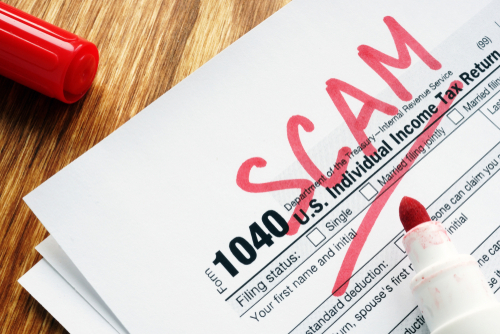 As tax filing season begins, scammers are ramping up efforts to steal taxpayers’ personal information through increasingly sophisticated schemes. Below, we discuss the latest scam, what to look out for in general, and what to do if you suspect something malicious.
 The Basics of Tax Reporting in Legal Settlements
 Municipal bonds (also known as munis) are issued by a state or local government. Interest income is typically paid out twice a year and is not subject to federal taxes. When an investor purchases a bond issued from his own state, the income is generally not subject to state income taxes.